
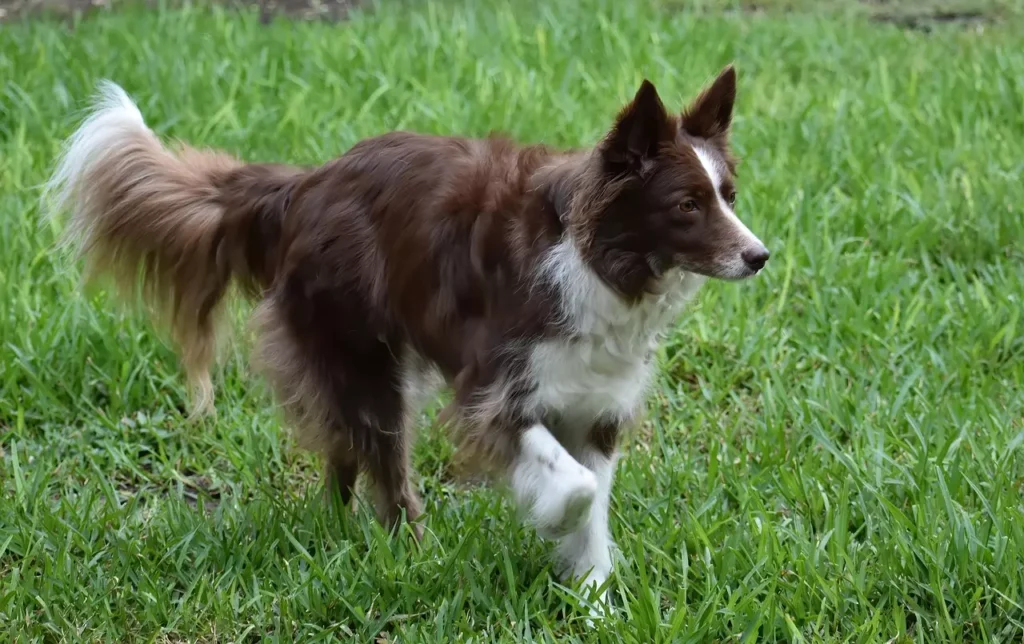
Border Collie
The Border Collie is a highly responsive pastoral breed developed to gather and control sheep along the border regions of Britain. Its working background can bring stamina, sensitivity to movement and a strong desire to engage with a handler, but every dog is an individual. Prospective owners should be ready to provide suitable physical activity, thoughtful training, opportunities to settle and breed-relevant health screening rather than relying on exercise alone.
Quick Facts
| Attribute | Details |
|---|---|
| Group | Pastoral |
| Country of origin | United Kingdom; associated particularly with the border regions |
| Original purpose | Gathering and controlling sheep and other livestock |
| Size & weight | Medium; the UK breed standard gives an ideal height of 53 cm for dogs, with bitches slightly smaller, but does not specify one official weight |
| Life expectancy | Typically 12+ years; a large 2024 UK study estimated median survival at 13.1 years |
| Coat & colours | Smooth or moderately long, with a dense weather-resistant double coat; many colours are recognised |
| Exercise needs | High; substantial daily activity, enrichment and opportunities to settle, adjusted for the individual dog |
| Grooming needs | Moderate; brushing more than once a week is a useful general guide |
| Trainability | High; usually responsive and quick to learn, but can be sensitive to movement and handling |
| Barking tendency | Variable; alert barking may occur and depends on the individual and environment |
| Suitable for | Committed, active homes able to provide thoughtful training, enrichment, companionship and suitable outlets for working behaviour |
History & Origin
The Border Collie developed from working sheepdogs used across Britain, with the breed name reflecting its close association with the border country between England and Scotland. Farmers selected dogs for practical ability: stamina, responsiveness, balance around livestock and the capacity to work with a handler over distance. Function mattered more than a uniform appearance.
Organised sheepdog trials helped demonstrate and preserve these working qualities. The first recorded trial took place at Bala in North Wales in 1873, while the International Sheep Dog Society was formed in 1906 following a meeting of English and Scottish sheepmen. Border Collies remain active farm dogs today, alongside roles in dog sports, assistance work and family homes.
What Were Border Collies Bred to Do?
Border Collies were bred to gather and control sheep, often across large and difficult areas. Their characteristic working style may include close attention to livestock, controlled movement and the use of an intense gaze sometimes called “eye”. A capable working dog also needs to respond to directions while making decisions in a changing situation.
These inherited tendencies can appear away from a farm as sensitivity to movement, circling, stalking or attempts to control running children, bicycles, vehicles or other animals. Owners should prevent rehearsal of unsafe chasing and redirect the dog towards suitable activities. Persistent chasing or behaviour that is difficult to manage deserves help from a qualified, reward-based trainer or clinical animal behaviourist.
Border Collie Size, Weight & Appearance
The Border Collie is a medium-sized, athletic dog built for endurance and agile movement. The UK breed standard gives 53 cm (21 inches) as the ideal height for dogs, with bitches slightly smaller. It does not specify a single official weight, so an individual dog should be assessed by healthy body condition, build and veterinary advice rather than an internet weight target.
Two coat varieties are recognised: smooth and moderately long. Both have a dense, medium-textured topcoat and a softer undercoat that provides weather resistance. Black and white is familiar, but the breed occurs in many recognised colours and patterns. The standard states that white should not predominate.
Border Collie Temperament & Everyday Life
Border Collies are often highly attentive, energetic and responsive to training. Calling one breed “the most intelligent” is too simplistic, however: canine intelligence includes different abilities, and individuals vary. Working line, genetics, early experience, health, training and environment can all influence temperament.
Some Border Collies are sociable and adaptable, while others are more cautious, environmentally sensitive or strongly focused on movement. A busy household, frequent visitors or noisy urban surroundings may suit one dog and overwhelm another. Calm rest, predictable routines and gradual exposure to new situations are as important as activity.
They can live successfully with children when the individual dog is suitable and interactions are actively supervised. Adults should prevent chasing, nipping or crowding, give the dog an undisturbed resting place and teach children to interact respectfully. Compatibility with cats and other dogs also depends on the individuals and on careful introductions.
Exercise & Mental Stimulation
Border Collies generally have high exercise needs. The Royal Kennel Club uses more than two hours a day as a broad breed guide, while Dogs Trust stresses that exercise should be tailored to age, health and personality. Daily walks, opportunities to sniff and explore, appropriate free movement and structured activities can all contribute.
More exercise is not automatically better. Repeated high-speed ball chasing can create constant arousal and place unnecessary strain on the body. A balanced routine includes lower-intensity walks, scent work, problem-solving, short training sessions and deliberate practice at settling. Puppies need age-appropriate activity rather than forced running or repetitive jumping while they are growing.
Suitable outlets can include herding with an experienced instructor, agility once physically mature, obedience, tracking, hoopers, mantrailing or carefully designed search games. The best activity is one the dog enjoys and can leave calmly, not simply the most intense option available.
Training & Socialisation
Border Collies often learn associations quickly, including habits their owners did not intend to teach. Short, clear sessions with food, toys or access to an appropriate activity as rewards usually work well. Harsh handling can damage trust and may be particularly difficult for a sensitive dog.
Training should cover recall, an emergency stop, relaxing on a mat, leaving moving distractions and walking calmly on the lead. A long line attached to a well-fitting harness can support recall practice where off-lead exercise is not yet safe. It should be used away from traffic and livestock and handled without sudden stops.
Socialisation means helping a puppy form safe, positive associations rather than exposing them to as much as possible at once. Watch the dog’s body language, allow distance and avoid forcing contact. If fear, compulsive behaviour, noise sensitivity or fixation on movement develops, seek professional help early.
Do Border Collies Shed? Grooming & Coat Care
Border Collies shed throughout the year and may lose more undercoat seasonally. Dogs Trust recommends brushing a couple of times a week as a general guide, although coat length, lifestyle and the individual dog determine the practical schedule. Smooth coats are shorter, while moderately long coats may collect tangles around feathering and behind the ears.
Regular brushing and coat care removes loose hair and provides an opportunity to check the skin, paws and body. Introduce grooming gradually with rewards and comfortable, brief sessions. Nails, ears and teeth also need routine attention; sudden skin, coat or ear changes should be discussed with a vet.
How Long Do Border Collies Live? Health & Lifespan
Border Collies typically live for more than 12 years. A large UK study published in 2024, using data from 584,734 dogs, estimated median survival for Border Collies at 13.1 years. A population median is not a prediction for an individual dog: genetics, disease, accidents, body condition, preventive care and other factors all affect lifespan.
Current Royal Kennel Club guidance places BVA/KC/ISDS eye testing, including gonioscopy for pectinate ligament abnormality, in its Good Practice category. Its wider Best Practice recommendations add hip and elbow scoring, BAER hearing testing and DNA tests for CEA/CH, ceroid lipofuscinosis, Imerslund–Gräsbeck syndrome, MDR1, trapped neutrophil syndrome, sensory neuropathy, severe goniodysgenesis and glaucoma risk, and Raine’s syndrome.
Idiopathic epilepsy is another recognised concern in Border Collies, and veterinary research into its presentation and genetics continues. There is no single result that guarantees a puppy will remain healthy. Screening informs breeding decisions and can reduce specific risks, but buyers should discuss results, family history and any limitations with the breeder and their vet.
Routine veterinary care remains important throughout life. Seek veterinary advice promptly for seizures, changes in vision or hearing, persistent lameness, unusual movement, altered behaviour or any other health concern. Keep exercise appropriate to the dog’s condition and avoid assuming that reluctance to work or play is merely stubbornness.
Feeding & Care Basics
Feed a complete, balanced diet suitable for the dog’s life stage. Portions depend on the food, body condition, age, health and actual activity; a working farm dog may have very different requirements from a companion of the same breed. Treats and training rewards should be included in the overall daily amount.
Fresh water should always be available. Check body condition regularly and ask a vet or veterinary nurse for guidance if weight or nutritional needs are unclear. Border Collies also need reliable sleep, comfortable rest, preventive health care and enough calm time away from demanding activity.
Ethical Sourcing & Adoption (UK)
Before buying a puppy, consider whether the expected temperament and working drive of the parents fit your home. Ask to see original health results rather than accepting “vet checked” as a substitute for breed-relevant screening. A responsible breeder should explain the purpose of a mating, allow you to meet the mother, raise puppies in appropriate conditions and remain available after purchase.
Health, temperament and functional soundness should take priority over unusual colour. The Royal Kennel Club does not register Border Collie puppies from merle-to-merle matings because the combination is associated with increased risks to vision and hearing. Buyers should also ask about the coefficient of inbreeding and avoid sellers who offer immediate collection, hide living conditions or refuse reasonable questions.
Adoption is another option. Rescue organisations assess individual dogs and may know whether a Border Collie can live with children, cats or other dogs. Some rescues need experienced homes because of sensitivity or established chasing behaviour, while others may suit first-time owners who have appropriate support and realistic expectations.
Legal Note (UK)
The Border Collie is not one of the dog types listed as prohibited in current GOV.UK guidance. However, laws concerning control apply to every dog. Owners are responsible for preventing their dog from being dangerously out of control, and local Public Spaces Protection Orders may impose lead or access requirements.
Near livestock, follow current countryside rules and use a lead whenever reliable control cannot be guaranteed. Chasing livestock can cause serious harm even if the dog does not make contact. Because rules can change and differ across the UK, check the latest government and local authority guidance.
Is the Border Collie Right for You?
May suit you if:
- You can provide substantial daily activity together with calm, structured downtime
- You enjoy reward-based training and want to keep learning with your dog
- You can manage chasing and herding behaviour safely
- You will choose an individual whose temperament and working background suit your home
Think carefully if:
- You want a dog that is satisfied by short walks with little mental engagement
- The dog would regularly be left alone for long periods
- You cannot provide safe management around traffic, livestock or fast-moving distractions
- You expect constant activity to replace training, sleep and the ability to settle
FAQs
How long do Border Collies live?
They typically live for more than 12 years. A large 2024 UK study estimated median survival at 13.1 years, but an individual dog may live for a shorter or longer time.
How big is a Border Collie?
The breed is medium-sized. The UK standard gives an ideal height of 53 cm for dogs and slightly less for bitches; it does not set one official weight.
How much exercise does a Border Collie need?
Needs are generally high, with more than two hours a day often used as a broad guide. The right type and amount must be adjusted for age, health, temperament and lifestyle, with enrichment and rest included.
Are Border Collies good family dogs?
They can be rewarding family companions when their temperament suits the household and their needs are met. Interactions with children require supervision, particularly because movement can trigger chasing or herding behaviour.
Do Border Collies shed?
Yes. Both smooth and moderately long coats have an undercoat, and shedding may increase seasonally. Brushing a couple of times a week is a useful starting point.
Are Border Collies easy to train?
They are often attentive and quick to learn, but that does not make ownership effortless. They need clear reward-based teaching, safe outlets for working behaviour and practice at relaxing.
Can a Border Collie live in a flat?
Potentially, because suitable care depends on more than floor space. A flat is only realistic when the individual dog can cope with the environment and receives enough outdoor activity, enrichment, rest and toilet access.
Do Border Collies bark a lot?
Barking varies. Some alert readily or vocalise when excited, frustrated or under-stimulated, while others are quieter. Training and meeting the dog’s needs can help, but sudden changes should be investigated.
What health tests should Border Collie breeders use?
Current UK recommendations include eye testing with gonioscopy, hip and elbow scoring, BAER hearing testing and several condition-specific DNA tests. Ask to see results for both parents and compare them with current official guidance.
What were Border Collies originally bred for?
They were developed to gather and control sheep while working closely with a handler, often across demanding rural terrain.
Sources
- Dogs Trust — Border Collie breed and care information
- Scientific Reports — UK companion-dog longevity study
- Royal Veterinary College — canine epilepsy research
- International Sheep Dog Society — history and working sheepdogs
- Royal Kennel Club — Border Collie characteristics and health screening
- Royal Kennel Club — Border Collie breed standard
- Royal Kennel Club — gonioscopy and eye screening
- GOV.UK — controlling your dog in public
Information checked: September 2026. Breed descriptions are general guidance; every dog is an individual. Health concerns should be discussed with a veterinary professional, and legal requirements should be checked against current official guidance.