
How to Remove Dog Hair from Clothes
The most reliable way to remove dog hair from clothes is to lift off as much as possible while the fabric is dry, before it enters the washing machine. A lint roller, slightly damp rubber glove or suitable clothes brush can handle most loose hair without requiring another wash.
For heavily covered garments, combine dry removal with a correctly loaded wash and suitable drying method. Always follow the garment’s care label, particularly before using heat or treating delicate fabrics.
The Quickest Method
If you need to remove dog hair from an outfit immediately, there is usually no reason to wash it. Place the garment on a flat surface or hang it where the fabric can be held reasonably taut.
- Shake the garment outdoors to release loose hair.
- Pass a lint roller over the fabric using short, overlapping strokes.
- Use a slightly damp rubber glove for hair that remains embedded.
- Allow any damp areas to dry before wearing or storing the garment.
Work in one direction rather than rubbing backwards and forwards. This gathers the hair into manageable lines instead of spreading it across the material.
Remove Loose Hair Before Washing
Putting a heavily covered garment straight into the washing machine often moves the hair around rather than removing all of it. Wet hair can cling to fabric, collect around the door seal or remain in the drum for the next load.
Remove the dry surface hair first, even if the clothes will still be washed. This does not need to be perfect. The aim is to prevent a large quantity of loose hair from entering the appliance.
Useful tools include:
- a reusable or disposable lint roller;
- a clean rubber washing-up glove, lightly dampened;
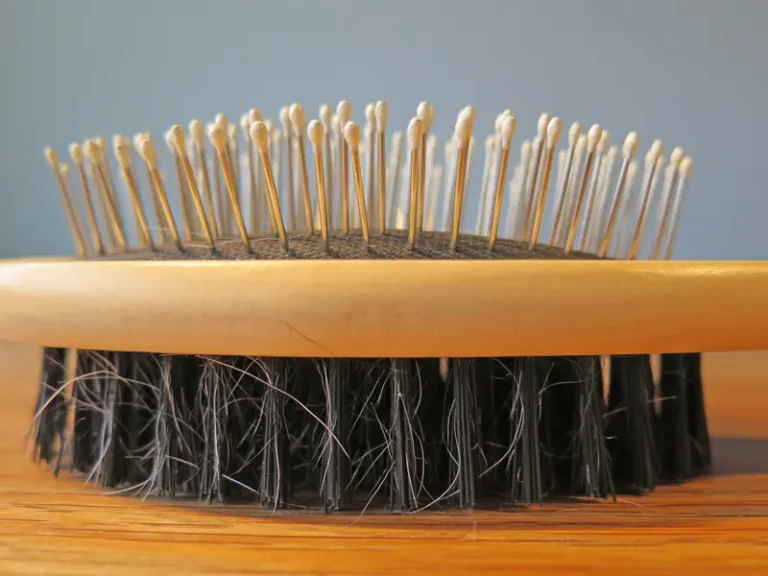
- a fabric or clothes brush suitable for the garment;
- a clean microfibre cloth that has been wrung out thoroughly;
- wide adhesive tape for occasional use on robust fabric.
Test adhesive tape on an inconspicuous area first. Strong adhesive can leave residue or disturb the surface of wool, loosely woven fabric and delicate finishes.
Using a Damp Rubber Glove
A rubber glove is particularly useful when a lint roller passes over the top of embedded hair. Lightly dampen the glove, remove any excess water and move your hand across the fabric in one direction.
Friction helps collect the hair into small clumps that can be lifted away by hand. Rinse the glove when it becomes covered and continue until the garment is clear.
The glove should be damp rather than wet. Excess water can mark some fabrics, and garments labelled for professional cleaning should not be treated with water unless their care instructions permit it.
Using a Lint Roller or Clothes Brush
A lint roller is convenient for smooth cotton, denim, jackets and many synthetic fabrics. Replace or clean the surface once it stops collecting hair rather than pressing harder against the garment.
A traditional clothes brush can be a better option for coats, tailoring and fabrics on which adhesive is unsuitable. Use light strokes following the direction of the fabric and check the care label before treating an unfamiliar material.
For a large amount of hair, begin with a glove or brush and use the lint roller only for the final pass. This reduces the number of disposable sheets required.
Can You Use a Tumble Dryer Before Washing?
If the garment’s care label permits tumble drying and the appliance has a cool-air or no-heat programme, a short cycle may loosen dry hair before washing. The movement can separate some hair from the fabric so that it is collected by the dryer filter.
This method is optional and unsuitable for clothes marked “do not tumble dry”. It should also be avoided for garments that may shrink, lose their shape or be damaged by tumbling.
Check the garment label and appliance instructions rather than assuming that a low setting is safe. Clean the lint filter immediately afterwards. Electrical Safety First recommends cleaning a tumble dryer’s lint filter after every use because accumulated lint can present a fire risk.
How to Wash Clothes Covered in Dog Hair
Once most loose hair has been removed, sort the garments according to colour, fabric and care instructions. Do not overload the washing machine. Clothes need enough room to move if hair and normal dirt are to be rinsed away effectively.
- Check pockets and fasten zips or hooks that could catch other garments.
- Select the programme and maximum temperature allowed by the care label.
- Use the normal amount of suitable laundry detergent.
- Choose an additional rinse only if the garment label and appliance allow it and hair commonly remains after washing.
- Remove the clothes promptly when the cycle finishes.
A hotter wash is not automatically better. The number shown in the wash-tub symbol on a care label indicates the maximum permitted washing temperature, not a temperature that should always be used.
Should You Add Vinegar or Fabric Softener?
Vinegar and fabric softener are often recommended online as universal pet-hair remedies, but neither is necessary for the basic removal process. Results vary between fabrics and appliances, while some manufacturers advise against placing unapproved substances in their machines.
Fabric softener may also be unsuitable for items such as microfibre cloths, sportswear and absorbent towels. Follow the garment label, detergent directions and appliance manual instead of adding several household products to the same wash.
Never mix cleaning chemicals. If you decide to use any laundry additive, confirm that it is suitable for both the garment and the appliance and use only the stated amount.
Removing Hair After Washing
Inspect the clothing as it comes out of the machine. Shake each garment before hanging it to dry. Hair loosened during washing is often easier to remove at this stage, although a lint roller should normally be used after the material is dry.
If tumble drying is permitted, follow the care label and select the appropriate programme. The dryer may collect some remaining hair in its lint filter. Clean the filter after the cycle rather than allowing hair and lint to accumulate.
For line-dried clothing, allow the garment to dry fully and finish with a lint roller, clothes brush or damp-glove method.
How to Remove Dog Hair from Different Fabrics
Cotton and Denim
Shake the garment, then use a lint roller or damp rubber glove. These fabrics are usually robust, but printed areas, decorative finishes and stretch panels should still be treated gently.
Wool and Delicate Knitwear
Use a suitable clothes brush with minimal pressure. Avoid aggressive rubbing and strong adhesive, which may lift fibres or alter the surface. Follow the care label and use professional cleaning where required.
Fleece
Dog hair can become embedded in the raised surface of fleece. A damp rubber glove often collects more hair than a single pass with a lint roller. Work across a small area at a time without stretching the fabric.
Synthetic Sportswear
Static can make hair particularly noticeable on synthetic fabric. Remove the hair while the garment is dry, then wash it according to its label. Avoid automatically adding fabric softener because it may affect the performance of some technical materials.
Formal Clothes and Coats
Start with a clean clothes brush. Check whether the garment is washable, tumble-dryable or intended for professional cleaning before using moisture or heat.
Cleaning Dog Hair from the Washing Machine
After washing heavily covered clothes or dog bedding, remove visible hair from the drum and door seal with a damp cloth. Check the appliance manual for instructions on cleaning its filter, detergent drawer and any accessible drainage components.
Do not dismantle parts that the manufacturer does not identify as user-serviceable. If the machine stops draining correctly, repeatedly displays an error or develops an unusual smell, consult its instructions or arrange appropriate servicing.
An empty maintenance cycle may be recommended by the appliance manufacturer, but the programme and cleaning product vary between machines. Follow the manual rather than using a universal online recipe.
How to Keep Dog Hair Off Clothes
No method will remove all loose hair from a home with a shedding dog, but a few habits can reduce how much reaches clothing:
- Keep clean clothes inside a closed wardrobe or drawer.
- Avoid leaving laundry on furniture used by the dog.
- Use washable throws on favourite resting areas.
- Wash heavily covered dog bedding separately from clothing.
- Vacuum upholstery and soft furnishings regularly.
- Keep a lint roller near the front door for quick use.
- Groom the dog regularly with tools appropriate for their coat.
Our guide to brushing your dog’s coat correctly explains how to remove loose hair without pulling at the skin or damaging the coat.
When Increased Shedding May Need Attention
Routine shedding varies with breed, coat type, season, indoor temperature and the individual dog. A sudden increase accompanied by bald patches, inflamed skin, persistent scratching, sores or a change in general health should be discussed with a vet.
Household cleaning can manage the loose hair, but it cannot address an underlying skin, parasite, allergy or health problem.
A Simple Routine for Dog Owners
For everyday clothing, use a lint roller or damp glove before putting the garment away. Before laundry day, remove the worst of the dry hair and avoid overfilling the washing machine.
After washing, wipe visible hair from the appliance and check its filter according to the manual. If a tumble dryer is used, clean its lint filter after every cycle. This short routine is usually more effective than relying on a single laundry additive or viral cleaning hack.
FAQs
Does a washing machine remove dog hair from clothes?
It can remove some loose hair, but it may also redistribute wet hair between garments. Removing as much as possible while the clothes are dry usually produces a better result.
What is the fastest way to remove dog hair without washing?
Use a lint roller on smooth fabric or a slightly damp rubber glove where hair is more deeply embedded. Work in one direction and collect the hair as it forms into clumps.
Can I put hairy clothes in the tumble dryer before washing?
Only when the garment’s care label permits tumble drying and the machine has a suitable cool-air or no-heat programme. Clean the lint filter immediately afterwards.
Does white vinegar remove dog hair from clothes?
It is frequently suggested online, but it is not essential and may be unsuitable for some appliances or fabrics. The safer general approach is dry hair removal followed by washing according to the garment and appliance instructions.
Why is dog hair still on my clothes after washing?
The load may have contained too much loose hair, been packed too tightly or included fabrics that hold hair through friction and static. Remove dry hair first and leave enough space for clothing to move in the drum.
How do I remove dog hair from black clothes?
Use a clean lint roller shortly before wearing them and store them away from dog bedding and upholstered furniture. A clothes brush may be more suitable for black wool or formal garments.
Can dog hair damage a washing machine?
Small amounts are part of normal household use, but large accumulations can collect around seals, filters and drainage areas. Remove heavy surface hair before washing and clean the appliance as directed in its manual.
How can I reduce dog hair around the home?
Regular coat care, washable furniture covers, cleaning soft furnishings and keeping clean laundry in closed storage can reduce transfer. Normal shedding cannot be stopped completely.
Sources
- GINETEX — International textile care symbols
- UK Fashion and Textile Association — Care labelling guidance
- Electrical Safety First — Tumble dryer lint-filter safety
- SharkNinja UK — Removing dog hair from clothing
- Candy UK — Pet hair and laundry care
Information checked: September 2026. Always follow the care label supplied with the garment and the instructions for your washing machine or tumble dryer.