
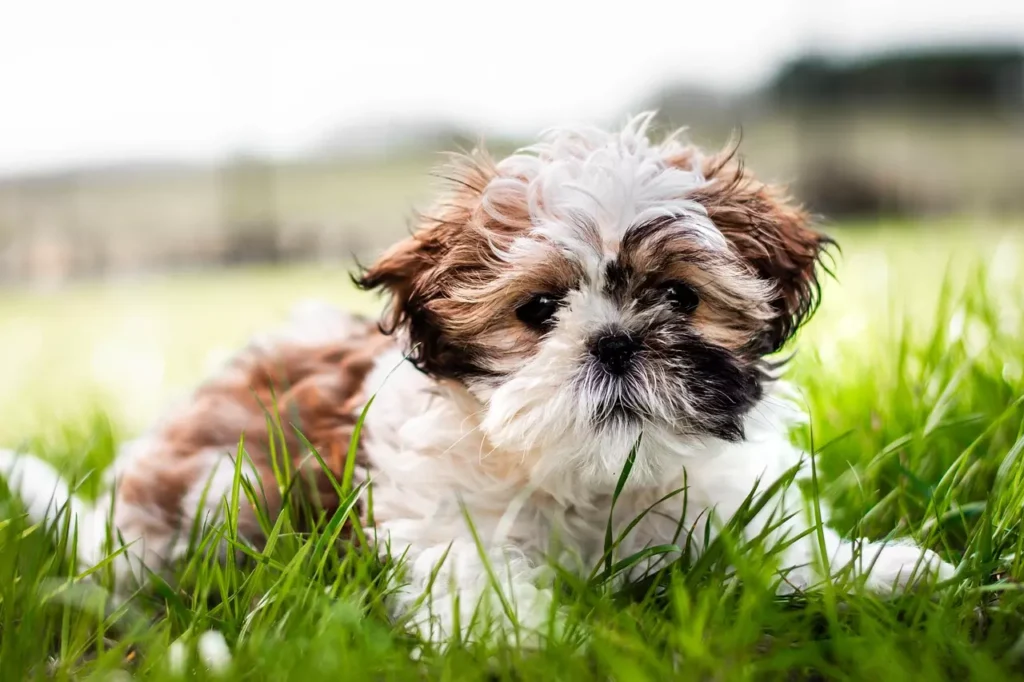
Shih Tzu
The Shih Tzu is a small companion breed with roots in imperial China, a distinctive long coat and a friendly but individual character. Although their compact size can suit many homes, Shih Tzus need substantial grooming and careful attention to their eyes, teeth, breathing and tolerance of warm weather. Prospective owners should prioritise health and comfortable breathing over an extremely flat face or unusually small size.
Quick Facts
| Attribute | Details |
|---|---|
| Group | Utility |
| Country of origin | China, with ancestry associated with Tibetan breeds |
| Original purpose | Companion dog, traditionally also alerting households to visitors |
| Size & weight | Small; up to 27 cm and approximately 4.5–8 kg |
| Life expectancy | Often over 10 years; UK studies report estimates of approximately 11–13 years depending on the method used |
| Coat & colours | Long, dense coat with a moderate undercoat; many colours are recognised, but merle is not accepted |
| Exercise needs | Up to about one hour daily, usually divided into shorter walks and play |
| Grooming needs | High; daily care for a long coat or regular professional clipping |
| Trainability | Medium to high; intelligent and responsive to patient reward-based training |
| Barking tendency | Variable; may bark to alert or when excited, worried or under-stimulated |
| Suitable for | Owners able to provide companionship, regular grooming and appropriate brachycephalic health care |
History & Origin
The Shih Tzu is generally associated with companion dogs kept in imperial China, although its ancestry is thought to include small Tibetan breeds. The exact early development of the breed is not fully documented, so claims about a single cross or precise date should be treated cautiously.
Shih Tzus were first shown in Britain in 1933 alongside Lhasa Apsos. Differences in their appearance later established them as separate breeds. The Shih Tzu Club of England was founded in 1934, and the breed gained official UK recognition during the 1940s.
What Were Shih Tzus Bred to Do?
Unlike breeds developed primarily for hunting, herding or guarding livestock, the Shih Tzu’s main role was companionship. These small dogs lived closely with people and were valued as household companions.
They may also alert their household to visitors or unfamiliar sounds. Modern Shih Tzus remain companion dogs, but they still need exercise, training, enrichment and opportunities to express normal canine behaviour rather than being treated simply as lapdogs.
Shih Tzu Size, Weight & Appearance
The Shih Tzu is small but should have a sturdy, balanced build. The UK breed standard gives a maximum height of 27 cm and a weight range of 4.5–8 kg, with 4.5–7.5 kg described as ideal. Individual dogs can fall outside these measurements.
Typical features include a broad head, dropped ears, a tail carried over the back and a long, dense coat. The muzzle is short, but the nostrils should be wide and open. Hair should not obstruct the eyes or restrict movement.
The standard permits many colours but does not accept merle. Colour should never take priority over comfortable breathing, sound movement, healthy eyes and good temperament.
Is There a Toy or Teacup Shih Tzu?
The Shih Tzu is already a small breed. The Royal Kennel Club does not recognise separate “toy”, “miniature” or “teacup” varieties of Shih Tzu.
These terms are generally used in advertising rather than official breed classification. An unusually small puppy may need additional veterinary care, and adult size cannot be guaranteed from a marketing label. Buyers should prioritise health screening, proportionate structure and responsible breeding rather than selecting the smallest puppy available.
Shih Tzu Temperament & Family Life
Shih Tzus are commonly described as friendly, alert and independent, but every dog develops an individual personality. Genetics, early experiences, health, training and the home environment all influence behaviour.
Many enjoy human company and can adapt to flats or houses, provided their physical and mental needs are met. A small body does not mean a dog should be carried everywhere or denied choices. Shih Tzus benefit from walking, exploring and interacting with the world at their own pace.
They can live successfully with children or other pets, but compatibility should be assessed individually. Children must be supervised and taught not to pick up, chase or disturb a dog while they are eating, sleeping or resting.
Exercise & Mental Stimulation
Most healthy adult Shih Tzus need up to about one hour of suitable activity each day. This can be divided between shorter walks, sniffing, play and training. Puppies, older dogs and dogs with medical conditions will need individually adjusted routines.
Shih Tzus are not well suited to strenuous endurance exercise. Their shortened muzzle can make breathing and temperature regulation more difficult, especially in warm or humid conditions. Walk during cooler parts of the day, provide water and shade, and stop if the dog is struggling.
Food puzzles, scent games and brief training sessions can provide mental stimulation without excessive physical effort. Exercise should help the dog remain active and engaged without forcing them beyond what they can comfortably manage.
Training & Socialisation
Shih Tzus can learn household skills successfully through patient, reward-based training. Short sessions are usually more effective than repetitive or confrontational methods. Training should account for the dog’s small size without excusing unwanted behaviour simply because it appears less intimidating.
Priorities include house training, recall, settling calmly, comfortable handling and walking on a loose lead. Socialisation should introduce different people, suitable dogs, sounds, surfaces and environments gradually without overwhelming the puppy.
Time alone should also be introduced in small, positive steps. Shih Tzus are companion dogs, but they still need to learn that brief, appropriate periods without constant attention are safe.
Shih Tzu Grooming, Coat Care & Shedding
A Shih Tzu kept in a long coat normally needs daily grooming to prevent tangles and matting. Owners who choose a shorter pet trim will still need regular brushing and professional grooming, commonly every six to eight weeks.
Follow a consistent coat-brushing routine, paying attention to areas behind the ears, beneath the legs and around a harness. Grooming should be introduced gradually with rewards so the dog remains comfortable with handling.
Loose hair may be less noticeable than with some breeds because shed hairs can remain trapped within the coat. However, describing every Shih Tzu as completely non-shedding or hypoallergenic would be misleading. People with allergies should spend time with the individual dog before making a commitment.
Hair must be kept away from the eyes. The ears, nails, skin and area around the mouth should also be checked regularly. Persistent staining, irritation, odour, itching or hair loss warrants professional advice rather than repeated cosmetic cleaning alone.
Breathing & Brachycephalic Health
Shih Tzus are brachycephalic, meaning they have a shortened skull and muzzle. Some develop brachycephalic obstructive airway syndrome, or BOAS, which can interfere with breathing, sleep, exercise and temperature regulation.
Regular snoring, noisy breathing while awake, struggling during ordinary exercise, disturbed sleep, gagging or poor tolerance of warm weather should not be dismissed as normal breed characteristics. A vet should assess possible breathing difficulty.
When choosing a puppy, look for parents with open nostrils, quiet breathing and the ability to exercise comfortably. In August 2026, the Royal Kennel Club recognised Respiratory Function Grading for Shih Tzus as a recommended pre-breeding assessment, with formal inclusion in its Health Standard planned from January 2027.
Shih Tzu Health & Lifespan
Shih Tzus often live beyond 10 years. UK research has produced different estimates because studies use different populations and methods. A VetCompass study reported an overall median age at death of 12.7 years in its recorded sample, while another UK life-table study estimated life expectancy from birth at approximately 11 years.
Potential health concerns include BOAS, dry eye, cataracts, other inherited eye conditions, dental crowding, ear or skin problems, intervertebral disc disease and certain kidney disorders. Not every Shih Tzu will develop these conditions.
The Royal Kennel Club currently recommends BVA/KC/ISDS eye testing as Good Practice for breeding Shih Tzus. Prospective owners should ask to see verifiable results rather than accepting general claims that the parents were “vet checked”.
Because the eyes are large and relatively exposed, sudden squinting, redness, discharge, cloudiness or eye discomfort should receive prompt veterinary attention. Preventive dental care and regular veterinary examinations are also important throughout life.
Feeding & Everyday Care
A Shih Tzu needs a complete and balanced diet appropriate for their age, health and activity. Feeding amounts should be based on body condition and the manufacturer’s guidance rather than breed averages alone.
Training treats should be included within the dog’s overall food allowance. Maintaining a suitable body condition is especially important because excess weight can place additional demand on joints, mobility and breathing.
Fresh water should always be available. Owners should seek veterinary guidance if appetite, weight, swallowing or digestion changes, or if the dog has difficulty eating because of dental or breathing problems.
Ethical Sourcing & Adoption in the UK
Shih Tzus and Shih Tzu crosses are sometimes available through general and breed-specific rescue organisations. A responsible rescue will discuss the dog’s known health, behaviour, grooming needs and suitability for the household.
When buying a puppy, meet the puppy with their mother where they were raised. Ask for evidence of eye screening and, where available, respiratory grading of the parents. Observe whether the adult dogs breathe quietly and move comfortably.
Avoid sellers promoting “rare”, “imperial”, “teacup” or extreme colours as more important than health. Also avoid sellers who refuse visits, offer several unrelated breeds, cannot show health documents or pressure buyers into paying quickly.
Legal Note (UK)
Shih Tzus are not named as a prohibited dog type in current UK government guidance. However, identification, welfare and dog-control laws apply to them in the same way as to other dogs.
Owners must keep their dog under control in public and private places. Local rules may also govern leads, access to particular areas and dog fouling, so owners should check the requirements where they live and walk.
Is the Shih Tzu Right for You?
Best for:
- Owners looking for a small companion dog
- Homes able to provide regular company and daily interaction
- People prepared for daily coat care or regular professional grooming
- Owners who enjoy gentle walks, play and reward-based training
- Flats or houses where the dog’s exercise and enrichment needs can be met
Think twice if:
- You want a genuinely low-maintenance coat
- You cannot budget time or money for regular grooming
- The dog would routinely be left alone for long periods
- You want a companion for strenuous exercise or long-distance hiking
- You are attracted mainly by an extremely flat face, unusual colour or unusually small advertised size
FAQs
How long do Shih Tzus live?
Many live for more than 10 years. UK studies have reported estimates of approximately 11–13 years, although lifespan varies with genetics, health, body condition and veterinary care.
How big does a Shih Tzu get?
The UK breed standard gives a maximum height of 27 cm and a weight range of 4.5–8 kg. Individual dogs may fall outside these measurements.
Is a toy or teacup Shih Tzu a separate breed?
No. The Royal Kennel Club recognises one Shih Tzu breed and does not list separate toy, miniature or teacup varieties. These descriptions are normally marketing terms.
Do Shih Tzus shed?
They can lose hair, although shed hairs may remain caught within the long coat and be less noticeable around the home. They still need frequent brushing and should not automatically be described as hypoallergenic.
How much grooming does a Shih Tzu need?
A long coat normally needs daily grooming. A shorter pet trim remains dependent on regular brushing and professional clipping, often around every six to eight weeks.
How much exercise does a Shih Tzu need?
Up to about one hour daily is a reasonable general guide for a healthy adult, usually divided between shorter walks, play and training. Exercise must be adjusted for health, age and weather.
Are Shih Tzus good family dogs?
They can be suitable companions in many households, but this depends on the individual dog and family. Children must be supervised and taught to interact gently and respectfully.
Are Shih Tzus easy to train?
They are capable learners and often respond well to short, reward-based sessions. Consistency is particularly helpful with house training, calm handling and time spent alone.
Is snoring normal in a Shih Tzu?
Snoring and noisy breathing can indicate restricted airflow and should not automatically be accepted as normal. Ask a vet for advice, especially if breathing affects sleep, exercise or comfort.
Sources
- Dogs Trust — Shih Tzu care and health information
- PDSA — Shih Tzu breed, health and care guide
- Royal Veterinary College VetCompass — UK Shih Tzu health and longevity research
- BMC Veterinary Research — Demography, disorders and mortality of Shih Tzus in the UK
- Royal Kennel Club — Shih Tzu overview and current health screening
- Royal Kennel Club — Shih Tzu breed standard
- Respiratory Function Grading Scheme — BOAS assessment
- British Veterinary Association — Hereditary Eye Disease Scheme
- Scientific Reports — UK canine life expectancy study
- GOV.UK — Controlling dogs in public
Information checked: September 2026. Breed descriptions provide general guidance; every dog is an individual.