
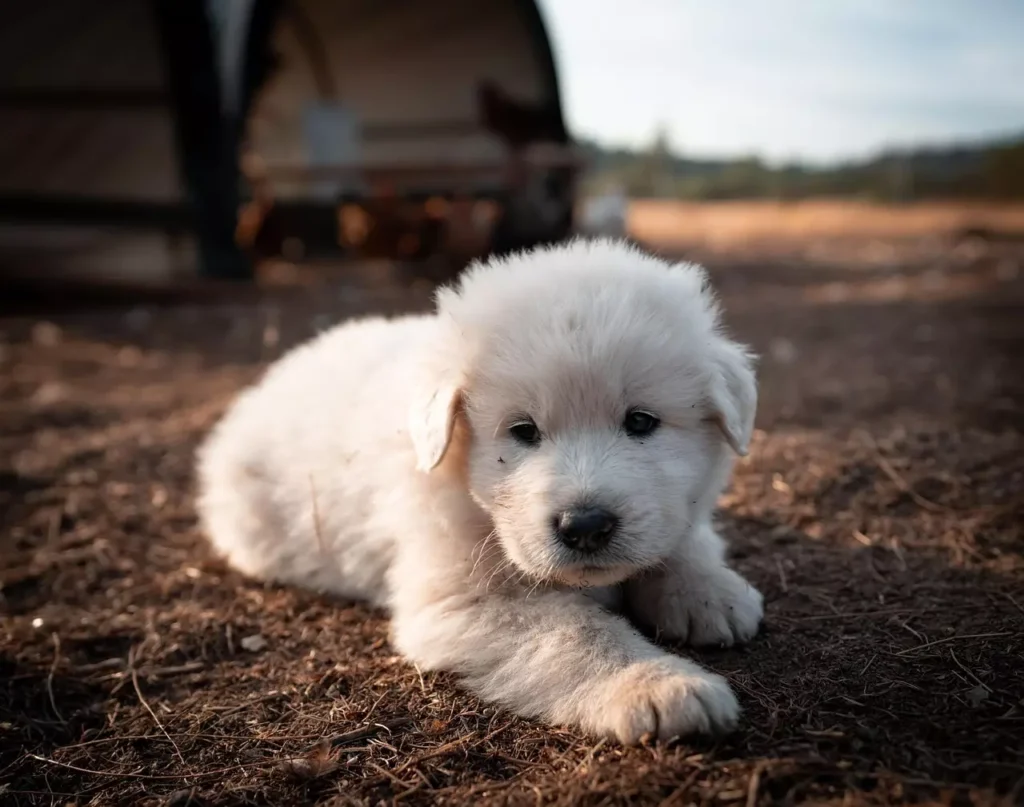
Great Pyrenees
The Great Pyrenees, also known as the Pyrenean Mountain Dog, is a majestic giant breed originally bred to guard livestock in the Pyrenees mountains between France and Spain. With its thick white coat, calm dignity, and strong protective instincts, the Great Pyrenees is a loyal family companion best suited to spacious homes and experienced owners.
Quick Facts
| Attribute | Details |
|---|---|
| Group | Pastoral (The Kennel Club: Pastoral Group) |
| Country of origin | France/Spain (Pyrenees mountains) |
| Original purpose | Livestock guardian |
| Size & weight | Height: Males 70-82 cm, Females 65-74 cm; Weight: 36-54 kg (some males heavier) |
| Life expectancy | 10-12 years |
| Coat & colours | Thick, weather-resistant double coat; usually solid white, sometimes with patches of grey, tan, or badger markings |
| Exercise needs | 1-1.5 hours/day |
| Grooming needs | High – frequent brushing, heavy shedding |
| Trainability | Medium – intelligent but independent |
| Barking tendency | High – natural guardian, vocal |
| Suitable for | Experienced owners, rural or spacious homes, families with older children |
History & Origin
The Great Pyrenees has ancient roots, with ancestors guarding livestock in the Pyrenees mountains for thousands of years. Fossil evidence suggests their forebears date back 3,000 years.
They were bred to protect sheep and goats from wolves and bears, often working independently in harsh terrain. Their bravery and independence became legendary in pastoral communities.
Recognised as the national dog of France, the breed gained prominence in the 17th century when Louis XIV declared it the Royal Dog of France. Today, they are still used as livestock guardians in Europe and North America, as well as loyal companions.
What Were They Bred to Do?
The Great Pyrenees was bred as a livestock guardian, working largely without human direction. They patrolled mountainsides, deterred predators, and lived outdoors in all weather. These instincts persist today, giving them strong independence, protectiveness, and a tendency to bark.
Appearance & Breed Standard
The Great Pyrenees is a giant, powerful dog with a regal presence.
Head: broad, slightly rounded with intelligent expression
Eyes: medium, dark brown, calm and thoughtful
Ears: small to medium, triangular, carried flat
Coat: thick double coat, dense undercoat, and longer outer guard hairs
Colour: solid white, or white with grey, tan, or badger markings
Build: muscular but elegant, with a balanced, imposing frame
They move with a smooth, effortless stride, showing endurance rather than speed.
Temperament & Living with a Great Pyrenees
Great Pyrenees dogs are calm, patient, and protective. They are affectionate with family but can be reserved with strangers due to their guardian heritage.
They are usually gentle with children and other pets when raised together, though supervision is advised due to their size. They thrive in spacious homes with gardens or rural settings where they can watch over their territory.
Their independence means they are not “obedience robots” – they think for themselves, a trait rooted in centuries of working alone.
Exercise & Mental Stimulation
The Great Pyrenees needs 1-1.5 hours of daily exercise. Long, steady walks and access to a secure outdoor space are ideal. They enjoy roaming and patrolling, so secure fencing is essential.
They also benefit from mental stimulation: puzzle toys, training sessions, and activities that tap into their guarding instincts. However, they do not require high-intensity exercise like some working breeds.
Training & Socialisation
Training a Great Pyrenees requires patience and consistency. They are intelligent but independent, often questioning commands. Positive reinforcement and firm, fair handling work best.
Early and thorough socialisation is critical to ensure they grow into confident, balanced adults. Without it, they may become overly suspicious or territorial.
Grooming & Shedding
The Great Pyrenees has high grooming needs:
Brushing 2-3 times weekly (daily during moulting seasons)
Heavy seasonal shedding (“blowing coat”) twice a year
Regular nail trimming, ear cleaning, and dental care
Occasional bathing, as their coat repels dirt naturally
Their coat is designed for harsh weather but requires dedicated upkeep in the home environment.
Health & Longevity
Great Pyrenees typically live 10-12 years.
Health concerns include:
Hip and elbow dysplasia
Bloat (gastric dilatation-volvulus)
Patellar luxation
Osteosarcoma (bone cancer)
Entropion and other eye conditions
Responsible breeders carry out hip and eye tests.
Feeding & Care Basics
They require a balanced diet formulated for giant breeds. Slow, steady growth in puppies is essential to protect developing joints. Adults should be fed two or three smaller meals daily to reduce the risk of bloat.
Their food intake should be carefully managed to prevent obesity.
Ethical Sourcing & Adoption
Seek breeders from The Kennel Club Assured Breeders Scheme who test hips and eyes. In the UK, the breed is relatively rare but some rescue organisations and large-breed charities occasionally rehome Pyrenean Mountain Dogs.
Legal Note
The Great Pyrenees is not subject to breed-specific restrictions in the UK.
Is the Great Pyrenees Right for You?
Best for:
Experienced owners with space and time
Families seeking a calm but protective guardian
Rural or semi-rural homes with secure fencing
Think twice if:
You live in a flat or small home
You want a quiet, low-barking breed
You prefer an easy-to-train, obedient dog
FAQs
Are Great Pyrenees good family dogs?
Yes, they are gentle and protective, especially with children, but require supervision due to size.Do Great Pyrenees bark a lot?
Yes, they are naturally vocal guardians.How much exercise does a Great Pyrenees need?
Around 1-1.5 hours daily, with steady activity.Do Great Pyrenees shed a lot?
Yes, they shed heavily, especially during moulting seasons.Are Great Pyrenees easy to train?
They are intelligent but independent, requiring patience and consistency.How long do Great Pyrenees live?
Typically 10-12 years.