
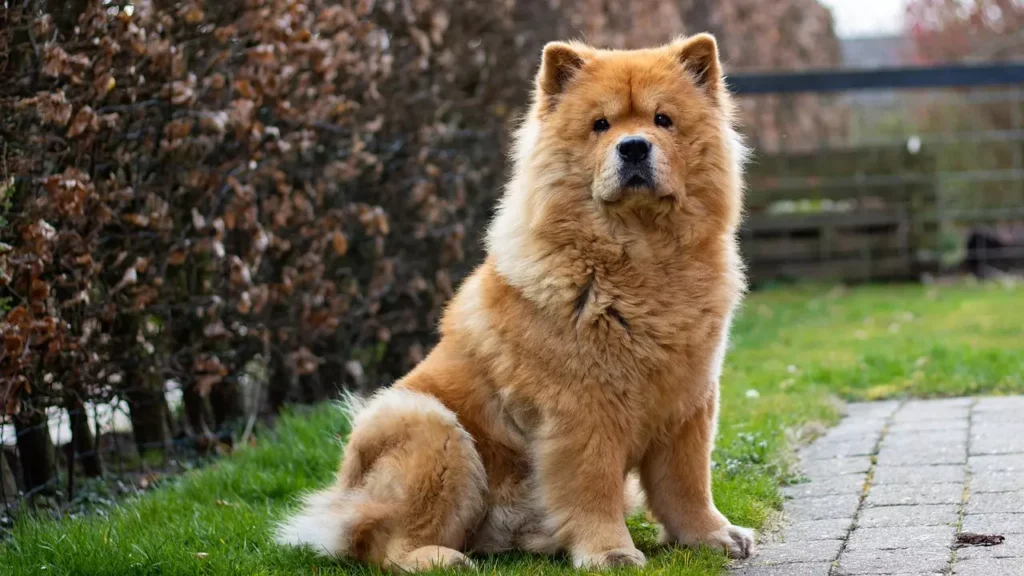
Chow Chow
The Chow Chow is a distinctive Chinese breed with a compact build, dense double coat and characteristic blue-black tongue. Originally associated with guarding and hunting, today Chow Chows are mainly companions. They are often described as independent and reserved, but individual temperament varies. Prospective owners should be prepared for early positive socialisation, regular grooming, careful exercise in warm weather and breed-relevant health screening.
Quick Facts
| Attribute | Details |
|---|---|
| Group | Utility |
| Country of origin | China |
| Original purpose | Guarding and hunting; historically used for several working roles |
| Size & weight | Dogs: 48–56 cm; bitches: 46–51 cm. Approximately 20–30 kg is a general weight guide, but individuals vary |
| Life expectancy | A 2024 UK study reported a median lifespan of approximately 12.1 years; individual lifespan varies |
| Coat & colours | Rough or smooth double coat; black, red, blue, fawn, cream or white |
| Exercise needs | Daily walks and enrichment; around one hour is a general guide for many healthy adults, adjusted for the individual and the weather |
| Grooming needs | High; regular thorough brushing, often daily for rough coats, with heavier shedding at times |
| Trainability | Intelligent and independent; patient, consistent reward-based training is important |
| Barking tendency | Often low to moderate, although guarding behaviour and individual personality influence vocalisation |
| Suitable for | Owners prepared for early positive socialisation, regular grooming, suitable exercise and breed-relevant health care |
History & Origin
The Chow Chow is an ancient breed from China. Dogs of this type can be traced to the Han Dynasty, where they were associated with guarding and hunting. Their exact development is not fully documented, so claims about a single origin should be treated cautiously.
Chow Chows reached Britain during the late eighteenth century, and public interest grew during the nineteenth century. The breed was recognised by the Kennel Club in 1894. Today, Chow Chows are primarily kept as companions, although their history is still reflected in their alertness and independent character.
What Were Chow Chows Bred to Do?
Chow Chows were historically used for guarding and hunting, as well as other practical roles. These duties favoured a dog capable of watching its surroundings and acting with some independence rather than constantly waiting for direction.
Modern Chow Chows are usually companions, but some may remain watchful around unfamiliar people, animals or activity near the home. Calm management, appropriate socialisation and reward-based training can help an individual dog respond confidently without encouraging defensive behaviour.
Chow Chow Size, Weight & Appearance
The UK breed standard describes a compact, balanced dog with a strong frame and distinctive leonine appearance. The ideal height is 48–56 cm for dogs and 46–51 cm for bitches. PDSA uses approximately 20–30 kg as a general weight guide, although healthy weight depends on height, build, age and body condition.
Characteristic features include small upright ears, a broad head, a tail carried over the back and a bluish-black tongue. The eyes should be clean and free from eyelids that turn inwards. Exaggerated wrinkles, excessively deep-set eyes or a coat that interferes with comfortable movement should not be considered desirable.
There are two coat types. The rough coat is dense and stands away from the body, with thicker hair around the neck. The smooth coat is shorter but remains dense and double-layered. UK standard colours are black, red, blue, fawn, cream and white, and the coat should be a whole colour rather than patched.
Chow Chow Temperament & Everyday Life
Chow Chows are commonly described as independent, loyal and reserved, but these are broad breed tendencies rather than guarantees. Temperament also depends on genetics, early experiences, socialisation, training, health and the home environment.
Some Chow Chows form close relationships without being continuously demonstrative. Others may need time and space when meeting unfamiliar people or dogs. Owners should learn canine body language, avoid forcing interactions and allow introductions to progress at a pace the individual dog can manage.
A Chow Chow can live successfully in a family home when the match is appropriate. Children should always be supervised around dogs and taught not to disturb them while eating, sleeping or resting. Suitability should be assessed for the individual dog rather than decided from breed alone.
Exercise & Mental Stimulation
Chow Chows need daily walks, opportunities to explore and suitable mental stimulation. Around one hour of activity is a useful general guide for many healthy adults, but the amount and intensity should be adjusted for age, fitness, health and personality.
The breed’s dense coat and body shape can increase the risk of discomfort or heat-related illness in warm weather. Exercise should be moved to cooler parts of the day when necessary, with access to shade and fresh water. Owners should stop activity and seek veterinary advice if they are concerned about breathing, movement or heat tolerance.
Sniffing walks, food puzzles and short training games can provide mental engagement without relying on strenuous exercise. Puppies, older dogs and dogs with medical conditions require individually adapted routines.
Training & Socialisation
Chow Chows can learn successfully, but their independent nature may make repetitive or forceful training ineffective. Short, consistent sessions using food, toys or another reward the dog values are a practical approach. Punishment can damage trust and may increase fear or defensive responses.
Useful priorities include recall, settling, cooperative handling, polite greetings and walking calmly on the lead. Skills should be introduced in quiet settings before distractions are added gradually.
Positive socialisation should include carefully managed exposure to different people, friendly dogs, sounds, environments, veterinary handling and grooming. The goal is calm confidence, not forcing a puppy to interact when they are worried or overwhelmed.
Do Chow Chows Shed? Grooming & Coat Care
Chow Chows shed, and their dense double coat can release a considerable amount of hair. Rough-coated dogs generally need more frequent attention, while smooth-coated Chow Chows still require regular grooming. Shedding can become heavier at particular times of year.
Thorough brushing and coat care help remove loose hair and prevent tangles or compacted undercoat. Owners need to work through the coat carefully rather than brushing only the surface. Handling and grooming should be introduced gradually and paired with positive experiences.
The coat should not be allowed to become so heavy or poorly maintained that it restricts movement or causes discomfort in warm weather. Nails, ears, teeth, eyes and skin also need routine checks. An experienced groomer can advise owners who are unsure how to care for either coat type.
How Long Do Chow Chows Live? Health & Lifespan
Published estimates for Chow Chow lifespan vary. A large 2024 study using data from more than 584,000 UK dogs reported a median lifespan of approximately 12.1 years for the breed. Some UK breed guides give shorter or broader estimates, and no figure can predict an individual dog’s lifespan.
Potential health concerns include hip and elbow dysplasia, cruciate ligament disease, hypothyroidism and eye problems such as entropion. Chow Chows can also experience difficulties associated with exaggerated conformation, including restricted breathing, eyelids that do not sit normally, impaired movement and excessive coat.
Current UK Good Practice recommendations include hip, elbow and eye screening before breeding. Test results help breeders make better-informed decisions but cannot guarantee that a puppy will remain free from every condition. Buyers should ask for verifiable results and check the latest recommendations.
Owners should arrange routine veterinary care and seek prompt advice about changes in breathing, eyes, skin, movement, appetite or behaviour. Careful weight management and exercise appropriate to the dog’s physical condition can support long-term wellbeing.
Feeding & Care Basics
A Chow Chow should receive a complete, balanced diet appropriate for their age, health and activity level. Portion guidance on the food packaging is a starting point and should be adjusted according to the individual dog’s body condition and veterinary advice.
Fresh drinking water should always be available, particularly during warm weather. Training treats should be included when considering total daily food. Owners who are unsure about puppy growth, portions or body condition should consult their vet.
Ethical Sourcing & Adoption (UK)
Anyone considering a Chow Chow puppy should choose a responsible breeder who prioritises health, sound movement and stable temperament rather than exaggerated features. Ask to see the puppy with their mother where they were raised and request verifiable hip, elbow and eye screening results.
Check the latest UK health recommendations and Breed Watch information before committing, as guidance can change. Avoid sellers who refuse visits, provide little health information, offer immediate delivery or pressure buyers into paying quickly.
Adoption may be possible through general rescue organisations or Chow Chow welfare services. A rescue should discuss the individual dog’s behaviour, health and home requirements so that the match is based on evidence rather than appearance alone.
Legal Note (UK)
Chow Chows are not specifically named as a prohibited type in current UK government guidance. However, laws concerning welfare, identification and keeping dogs under control apply to every owner.
Assessment under prohibited-dog legislation can be based on physical characteristics rather than a dog’s stated breed or name. Owners should check current government guidance and local rules relating to public spaces, leads and access.
Is the Chow Chow Right for You?
Best for:
- Owners prepared to use patient, reward-based training
- Households able to provide regular grooming and coat checks
- People willing to manage exercise carefully in warm weather
- Homes that can introduce visitors, children and other animals responsibly
Think twice if:
- You want a low-maintenance or low-shedding dog
- You cannot commit to early socialisation and ongoing training
- You expect every dog to welcome close contact with unfamiliar people or animals
- You are attracted mainly by an extremely heavy coat or exaggerated facial features
FAQs
What were Chow Chows bred for?
Chow Chows were historically associated with guarding and hunting, together with other practical working roles in China. Modern Chow Chows are mainly companions.
How long do Chow Chows live?
A large 2024 UK study reported a median lifespan of approximately 12.1 years. Other published guides vary, and an individual dog may live for a shorter or longer time.
Do Chow Chows shed a lot?
Yes. Their dense double coat sheds and can release substantial amounts of hair, particularly during heavier moulting periods. Both rough and smooth coats need regular care.
How big does a Chow Chow get?
The UK standard gives a height of 48–56 cm for dogs and 46–51 cm for bitches. Approximately 20–30 kg is a general weight guide, but healthy weight varies by build and body condition.
What is a Chow Chow’s temperament like?
Chow Chows are often described as independent, loyal and reserved. Every dog is an individual, and behaviour is also shaped by breeding, health, socialisation, training and experience.
Are Chow Chows aggressive?
Breed alone does not determine aggression. Some Chow Chows may be watchful or uncomfortable with unfamiliar situations, making careful socialisation, humane training and responsible management important.
Are Chow Chows good family dogs?
They can suit some families, but the individual dog’s temperament and the household’s experience, routine and expectations must be considered. Children should always be supervised around dogs.
Can Chow Chows live with other dogs or cats?
Some can, while others may prefer more space or a home without particular animals. Compatibility should be assessed individually, with gradual introductions and suitable management.
How much exercise does a Chow Chow need?
Around one hour a day is a general guide for many healthy adults, divided into suitable walks and activities. Exercise should be adapted for age, health, fitness and weather conditions.
Are Chow Chows easy to train?
They can learn well but are often independent. Short, consistent and reward-based sessions are usually more productive than repetition or punishment.
Sources
- Royal Kennel Club — Chow Chow breed information and health screening
- Royal Kennel Club — Chow Chow breed standard
- Royal Kennel Club Breed Watch — Chow Chow points of concern
- Dogs Trust — Chow Chow care, behaviour and grooming
- PDSA — Chow Chow health, exercise and care
- Chow Chow Breed Council — UK breed health and welfare information
- Scientific Reports — 2024 UK study of dog breed longevity
- GOV.UK — Controlling your dog in public
Information checked: September 2026. Breed descriptions are general guidance; every dog is an individual.