
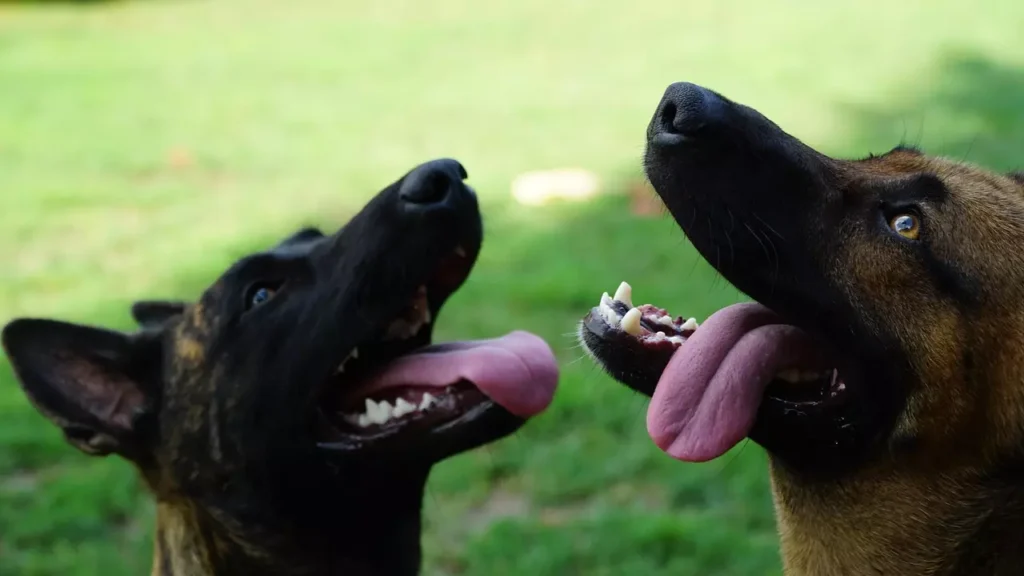
Belgian Shepherd
The Belgian Shepherd Dog is an intelligent, athletic herding breed developed in Belgium. It occurs in four varieties—Groenendael, Tervueren, Malinois and Laekenois—which share ancestry and broad working traits but differ in coat and can vary in typical working intensity. These alert, responsive dogs need substantial physical activity, structured training and daily mental engagement, making careful selection of the individual dog and its breeding especially important.
Quick Facts
| Attribute | Details |
|---|---|
| Group | Pastoral |
| Country of origin | Belgium |
| Original purpose | Herding and guarding livestock; later used in service, protection, detection and dog sports |
| Varieties | Groenendael, Tervueren, Malinois and Laekenois |
| Size & weight | Approximately 60–66 cm and 25–30 kg for males; 56–62 cm and 20–25 kg for females |
| Life expectancy | Often around 12–14 years, although available UK estimates differ between varieties and individuals |
| Coat & colours | Long black, long fawn or grey with black overlay, short fawn with black overlay, or rough fawn depending on variety |
| Exercise needs | High — substantial daily exercise combined with structured training, enrichment and adequate rest |
| Grooming needs | Moderate — varies from weekly brushing to more frequent care for long-coated varieties |
| Trainability | Very high — quick to learn, but sensitivity, intensity and strong working drive require skilled handling |
| Barking tendency | Moderate to high — naturally alert and may vocalise in response to movement or unfamiliar activity |
| Suitable for | Active, experienced households able to provide consistent training and appropriate mental and physical work |
History & Origin
The Belgian Shepherd Dog developed from working sheepdogs found in Belgium during the nineteenth century. These dogs were valued for intelligence, endurance, alertness and the ability to control and protect livestock in changing weather and terrain.
In 1891, Belgian breed enthusiasts began surveying and organising the country’s shepherd dogs. The dogs shared a broadly consistent structure and working character but differed considerably in coat length, texture and colour. These coat differences eventually formed the basis of the four varieties recognised today.
The breed later moved beyond farm work into police, military, detection, search, rescue and competitive sporting roles. The Malinois has become particularly visible in modern service work, but it represents only one variety of the Belgian Shepherd Dog.
The Four Belgian Shepherd Varieties
The Fédération Cynologique Internationale treats the Belgian Shepherd Dog as one breed with four varieties. In the UK, the Royal Kennel Club lists and judges the varieties separately while applying the same underlying structural standard, differentiated mainly by coat.
- Groenendael: long-haired with a predominantly solid black coat.
- Tervueren: long-haired, normally fawn or grey with black overlay and a dark mask.
- Malinois: short-haired, normally fawn with black overlay and a pronounced black mask.
- Laekenois: rough-haired and fawn with more discreet black shading, particularly around the muzzle and tail.
The varieties share broad breed traits, but temperament and intensity cannot be predicted from coat alone. Breeding purpose, family line, early experience and the individual dog remain extremely important.
Belgian Shepherd vs Belgian Malinois
A Belgian Malinois is a Belgian Shepherd, but not every Belgian Shepherd is a Malinois. “Belgian Shepherd Dog” is the wider breed name, while Malinois identifies the short-coated variety.
Because Malinois are widely used in police, military and protection work, online descriptions sometimes apply their most intense working characteristics to all four varieties. This can be misleading. Every Belgian Shepherd needs purposeful activity and training, but drive, sensitivity, sociability and ability to settle vary between varieties, breeding lines and individual dogs.
Belgian Shepherd Size, Weight & Appearance
Belgian Shepherds are medium-sized, squarely built and athletic rather than heavy. The FCI standard gives an ideal height of approximately 62 cm for males and 58 cm for females, allowing a limited range around these figures. Approximate weights are 25–30 kg for males and 20–25 kg for females.
The current UK standard gives an ideal height range of 61–66 cm for males and 56–61 cm for females. Differences between these published systems are small and reflect how standards describe the ideal dog rather than setting a target for every pet.
All four varieties should have a balanced, functional outline, upright ears and an alert expression. Their most obvious distinction is the length, texture and colour of the coat.
Belgian Shepherd Dog Temperament
A typical Belgian Shepherd Dog temperament is intelligent, observant, responsive and strongly connected to its handler. Many notice changes in their surroundings immediately and learn behavioural patterns extremely quickly.
These qualities can make them highly trainable, but they do not necessarily make them easy pets. A dog that reacts rapidly to movement, sound or uncertainty needs thoughtful socialisation and calm, consistent guidance. Some individuals can be sensitive, reserved with unfamiliar people or prone to becoming over-aroused.
Temperament should never be judged from breed or variety alone. Genetics, the purpose for which a line has been bred, early development, health and previous experience can produce substantial differences between individual Belgian Shepherds.
Exercise & Mental Stimulation
Belgian Shepherds generally have high activity needs. Healthy adults require meaningful daily exercise as well as training, exploration and opportunities to use their senses. A simple walk around the same route may not provide sufficient engagement.
Suitable activities can include scent searches, tracking, controlled retrieving, obedience, agility, hoopers and carefully taught herding or gundog-style exercises. Activities should match the dog’s age, health, confidence and physical development.
More exercise is not always the answer to restless behaviour. Constant high-intensity activity can create an extremely fit dog that still cannot relax. Calm sniffing, problem-solving, predictable routines and sufficient sleep should form part of the daily plan.
Puppies should not undertake repetitive jumping, forced running or demanding physical work while developing. Exercise for older dogs or dogs with medical conditions should follow individual veterinary advice.
Training & Socialisation
Belgian Shepherds learn quickly, including behaviours their owners did not intend to teach. Positive, reward-based training should begin with everyday foundations such as recall, settling, cooperative handling, disengaging from distractions and walking nicely on the lead.
Harsh handling can increase stress, conflict or defensive behaviour in a sensitive dog. Training should be clear and consistent without relying on intimidation. Owners working through serious reactivity, fear or aggression should seek help from a suitably qualified, reward-based professional.
Good socialisation means carefully managed positive experiences, not unrestricted interaction with every person and dog. Belgian Shepherd puppies also need to learn that unfamiliar activity can be observed calmly without chasing, barking at or approaching it.
Children, Other Dogs & Smaller Pets
A Belgian Shepherd may live successfully with children, but suitability depends on the individual dog, its history and the experience of the household. Herding behaviour, movement sensitivity and excitement can make uncontrolled interactions difficult.
Children should always be supervised around dogs and taught not to disturb them while sleeping, eating or resting. Every dog should have access to a quiet area where it will be left alone.
Compatibility with dogs, cats and smaller animals varies. Some Belgian Shepherds live peacefully with other pets, while others show strong chasing, guarding or controlling behaviour. Gradual introductions and appropriate separation are essential when the animals’ safety is uncertain.
Belgian Shepherd Grooming & Shedding
All Belgian Shepherd varieties shed and have a protective undercoat, but grooming requirements differ. Groenendaels and Tervuerens need regular brushing through their longer coats, especially around the neck, legs and tail. They may require more frequent grooming during seasonal shedding.
The short-coated Malinois is generally simpler to maintain but still benefits from weekly brushing. The rough Laekenois needs coat care appropriate to its harsh texture and should not be clipped automatically without advice from someone familiar with the variety.
Our guide to brushing a dog’s coat correctly explains how to remove loose hair without making grooming uncomfortable. Nails, teeth, ears and skin should also be checked routinely.
Health & Lifespan
There is no single reliable lifespan figure covering every Belgian Shepherd variety. A large UK study published in 2024 reported median survival estimates of 12.0 years for the Malinois and 13.8 years for the Tervueren. The study did not provide equally robust combined estimates for all four varieties.
These figures describe populations rather than predicting how long an individual dog will live. Genetics, accidental injury, body condition, preventive healthcare, lifestyle and access to veterinary treatment can all affect longevity.
Hip dysplasia, elbow dysplasia and inherited eye conditions are among the health considerations recognised in current UK breeding guidance. The Royal Kennel Club Health Standard lists hip, elbow and eye screening for all four varieties and also highlights genetic diversity for Groenendael, Laekenois and Tervueren.
Prospective owners should verify actual test results for both parents rather than accepting the phrase “vet checked”. Screening reduces particular risks but cannot guarantee that a puppy will remain free from illness.
Feeding & Everyday Care
A Belgian Shepherd should receive a complete and balanced diet appropriate for its age, health and activity. Portions should reflect the dog’s body condition and include calories supplied by treats and training rewards.
Working and sporting dogs may have different energy requirements from less active companions. Sudden changes in weight, appetite, drinking or performance should be discussed with a vet rather than managed by repeatedly changing food without assessment.
Daily care should include comfortable rest, regular health checks and protection from unsuitable heat or strenuous activity. Belgian Shepherds can be highly motivated to continue working, so the handler must recognise when recovery and rest are needed.
Working Lines and Companion Homes
The label “Belgian Shepherd” does not describe one uniform level of drive. Dogs bred for demanding police, protection or competitive work may have traits that are difficult to manage in an ordinary household, including intense reactions to movement, strong possession of toys and rapid arousal.
This is especially relevant when considering a working-line Malinois, although demanding individuals occur in other varieties. A potential owner should ask what previous generations were bred to do and how related adult dogs behave outside structured work.
Training experience alone does not automatically make every working-line dog suitable. The household must also have enough time, suitable surroundings, realistic goals and access to knowledgeable professional support.
Ethical Sourcing & Adoption in the UK
A responsible breeder should discuss the strengths and challenges of their dogs honestly, explain the intended purpose of the litter and provide evidence of relevant hip, elbow and eye results. For varieties where genetic diversity is a concern, breeding decisions should consider relatedness as well as appearance and performance.
Avoid sellers who promote puppies primarily through claims about aggression, protection ability or extreme drive. Selecting for impressive working behaviour without considering stability, health and suitability for the future home can create serious welfare problems.
Belgian Shepherds, particularly Malinois, also appear in rescue after owners underestimate their needs. A responsible rescue should assess the individual dog carefully and clearly explain any requirements involving handling, other animals, visitors or children.
Legal Note in the UK
None of the four Belgian Shepherd varieties is specifically named as a prohibited type in current UK government guidance. However, legislation concerning dangerously out-of-control dogs applies to every breed and crossbreed in both public and private places.
Owners must also comply with identification requirements and rules affecting livestock, roads and particular public spaces. Current official guidance should always be checked when legal certainty is required.
Is a Belgian Shepherd Right for You?
May suit you if:
- You want an intelligent dog for structured training and active participation
- You can provide meaningful daily physical and mental activity
- You understand the importance of teaching calmness and rest
- You are prepared to research varieties and breeding lines carefully
- You have access to secure exercise and appropriate professional support
Think carefully if:
- You want a naturally undemanding or very relaxed companion
- The dog would regularly be left without activity or company for long periods
- You are choosing a Malinois mainly because of its appearance or online reputation
- You cannot manage alert barking, chasing or movement sensitivity
- You do not have time for consistent training throughout the dog’s life
Belgian Shepherd Dog FAQs
What are the four types of Belgian Shepherd?
The four varieties are Groenendael, Tervueren, Malinois and Laekenois. They share the same broad ancestry and structure but differ primarily in coat length, texture and colour.
Is a Belgian Shepherd the same as a Belgian Malinois?
The Malinois is one of the four Belgian Shepherd varieties. Calling every Belgian Shepherd a Malinois is therefore incorrect.
What is a Belgian Shepherd’s temperament like?
Belgian Shepherds are generally intelligent, alert, responsive and highly aware of their environment. Temperament and intensity vary considerably according to variety, breeding line, socialisation and the individual dog.
How much exercise does a Belgian Shepherd need?
Most healthy adults need substantial daily activity alongside training and mental enrichment. The appropriate amount cannot be reduced to one fixed number because age, health, variety, breeding and personality all matter.
Are Belgian Shepherds good family dogs?
Some are successful family companions in experienced, active households. They are not automatically suitable for every family, particularly when a dog has intense working drive or sensitivity to movement and noise.
Are Belgian Shepherds suitable for first-time owners?
A calm individual with responsible breeder or rescue support may suit a committed first-time owner, but the breed’s intensity and training requirements can present a steep learning curve. High-drive working-line dogs are particularly challenging.
Do Belgian Shepherds shed?
Yes. All four varieties have an undercoat and shed, with heavier seasonal coat loss common. Groenendael and Tervueren generally require more brushing because of their long coats.
How long do Belgian Shepherds live?
Lifespan varies by variety and individual. A 2024 UK study reported median estimates of 12.0 years for Malinois and 13.8 years for Tervueren, but these figures are population statistics rather than guarantees.
How big does a Belgian Shepherd get?
Adults are generally medium-sized. FCI guidance gives an ideal height of about 62 cm for males and 58 cm for females, with approximate weights of 25–30 kg and 20–25 kg respectively.
Sources
- Fédération Cynologique Internationale — Belgian Shepherd Dog standard
- Royal Kennel Club — Belgian Shepherd Dog breed standard
- Royal Kennel Club — breed health testing standard
- Dogs Trust — Belgian Malinois care information
- Scientific Reports — longevity of UK companion dog breeds
- GOV.UK — controlling your dog in public
Information checked: September 2026. Breed descriptions provide general guidance; every dog is an individual.