
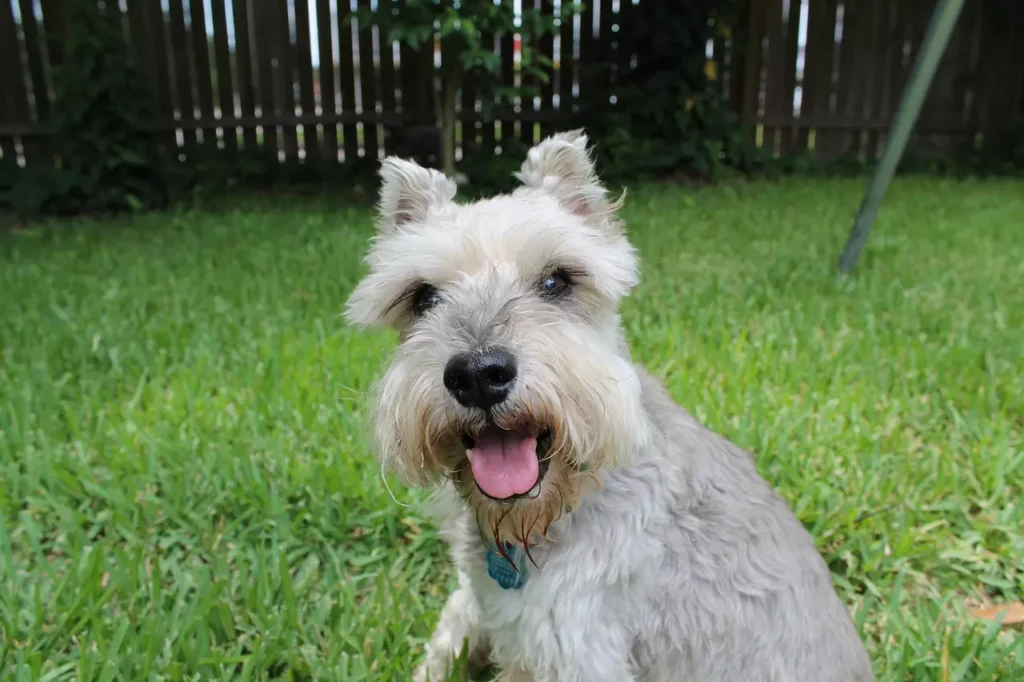
Miniature Schnauzer
The Miniature Schnauzer is a small yet sturdy terrier-type breed, instantly recognisable for its wiry coat, bushy eyebrows, and trademark beard. Originally bred in Germany as a farm dog and rat catcher, the Miniature Schnauzer is now a much-loved family companion in the UK. Affectionate, alert, and full of character, this breed suits households looking for a lively but manageable dog with a loyal and playful temperament.
Quick Facts
| Attribute | Details |
|---|---|
| Group | Utility |
| Country of origin | Germany |
| Original purpose | Vermin control and farm dog |
| Size & weight | Height: 33-36 cm (13-14 in); Weight: 6-8 kg (13-18 lb) |
| Life expectancy | 12-15 years |
| Coat & colours | Wiry double coat; salt and pepper, black, black & silver, or white |
| Exercise needs | 45-60 minutes per day |
| Grooming needs | High – regular brushing, hand-stripping or clipping |
| Trainability | High – intelligent, responsive |
| Barking tendency | Medium to High – alert watchdog |
| Suitable for | Families, first-time owners, city and suburban living |
History & Origin
The Miniature Schnauzer was developed in Germany in the late 19th century by crossing the Standard Schnauzer with smaller breeds such as the Affenpinscher and Poodle. The goal was to create a compact version of the Schnauzer that retained its rat-catching abilities but was more suited to household and farm life. The breed quickly became popular for its versatility, loyalty, and distinct appearance. Today, it remains one of the most popular small utility breeds in the UK.
What Were They Bred to Do?
Miniature Schnauzers were bred primarily for vermin control on farms, hunting rats and other small pests. Their strong prey drive, sharp intelligence, and lively personality stem from this background. While they no longer serve as farmyard ratters for most owners, these instincts remain in their alert, energetic nature and love of play.
Appearance & Breed Standard
The Miniature Schnauzer has a compact, square build with a sturdy frame. Their hallmark features include a wiry coat, bushy eyebrows, and a thick beard that gives them a distinguished look. The coat comes in four recognised colours: salt and pepper, solid black, black & silver, and white (less common in the UK). Their eyes are dark, oval, and expressive, giving them a keen, intelligent expression. Movement is brisk and purposeful, reflecting their working heritage.
Temperament & Living with a Miniature Schnauzer
Miniature Schnauzers are bright, affectionate, and full of personality. They are loyal family dogs that thrive on human companionship and dislike being left alone for long hours. With children, they are playful and generally gentle, though their excitable nature means supervision is wise with younger kids. They are usually sociable with other dogs, though their terrier streak may make them assertive at times. They adapt well to urban living, including flats, provided they receive enough exercise and interaction.
Exercise & Mental Stimulation
Despite their small size, Miniature Schnauzers are energetic and require 45-60 minutes of daily exercise. Walks, play sessions, and opportunities to run in secure spaces keep them physically fit. Mental enrichment is equally important – training games, puzzle feeders, and interactive play prevent boredom and unwanted behaviours. Puppies need shorter, more frequent activity, while seniors still benefit from regular but gentler exercise.
Training & Socialisation
Miniature Schnauzers are highly intelligent and eager to learn. They respond well to positive reinforcement, thriving on praise, food, and play rewards. Training should begin early to establish good manners and reduce excessive barking. Early socialisation helps them feel confident in different environments and around new people and animals. Their alert nature makes them excellent watchdogs, but this also means they may bark at noises or visitors if not managed.
Grooming & Shedding
The Miniature Schnauzer has a wiry double coat that requires dedicated grooming. Regular brushing (at least a few times a week) prevents tangles, and hand-stripping or clipping is needed several times a year to maintain coat texture. Many owners choose to use professional groomers for trims. They shed very little, making them suitable for allergy-conscious households, but they are not entirely hypoallergenic. Routine nail trimming, ear cleaning, and dental care are essential.
Health & Longevity
Miniature Schnauzers typically live 12-15 years. They are generally healthy but can be prone to certain conditions, including pancreatitis, urinary stones, eye disorders, and skin allergies. They may also have a tendency towards obesity if overfed. Responsible breeders health-test for hereditary conditions, and UK buyers should always ask about health checks. A balanced diet, regular vet care, and weight management help ensure longevity.
Feeding & Care Basics
A high-quality, portion-controlled diet suited to small breeds is best. Their tendency to gain weight means measured feeding is essential. Puppies require multiple small meals daily, while adults thrive on two meals per day. Treats should be given in moderation. Clean drinking water should always be available.
Ethical Sourcing & Adoption (UK)
When buying a puppy, look for breeders registered with The Kennel Club Assured Breeders Scheme who carry out health testing. Rescue organisations and Schnauzer-specific charities in the UK also rehome Miniature Schnauzers. Avoid puppy farms or sellers unwilling to provide health certificates, allow visits, or show the puppy’s living conditions.
Legal Note (UK)
Miniature Schnauzers are not subject to breed-specific legislation in the UK. Owners must comply with general dog welfare and control laws.
Is the Miniature Schnauzer Right for You?
Best for:
Families seeking a lively, affectionate companion
Owners in both city and suburban homes
People who enjoy grooming and regular training
Think twice if:
You prefer a very quiet, low-barking dog
You cannot commit to regular grooming appointments
You are often away from home for long hours
FAQs
How much does a Miniature Schnauzer cost in the UK?
Puppies usually cost between £1,200-£2,000. Adoption fees are lower through rescues.
Do Miniature Schnauzers shed much?
No, they shed very little, but their wiry coat requires regular trimming or hand-stripping.
Are Miniature Schnauzers good with children?
Yes, they are playful and affectionate, but supervision is advised with very young children.
Do Miniature Schnauzers bark a lot?
They are alert and vocal, often barking to announce visitors or noises, but training can help manage this.
How much exercise does a Miniature Schnauzer need?
They require 45-60 minutes daily, plus mental stimulation through play and training.
What health problems affect Miniature Schnauzers?
Pancreatitis, urinary stones, eye issues, and obesity are among the more common concerns.